

Why the origin of a crypto payment deserves its own check
A verified name does not explain where a specific payment came from. A customer can pass identity checks while sending assets that moved through a mixer, a fraud network, a compromised service, or an account that does not match the stated business relationship. This is why source of funds has become a practical question for any company that accepts cryptocurrency.
Recent cases make the point clearly. Authorities have acted against payment networks, trading platforms, and services designed to obscure transaction trails. Investigative journalists have also shown how disputed regulatory gaps can affect the movement of suspicious funds. The useful lesson is not to distrust every crypto payment. It is to compare the payer's explanation with evidence from the transaction and the blockchain before treating the money as cleared.
This review covers developments reported between October 2025 and June 2026. Source links were checked on 10 August 2026.
What the recent news shows
Huione lost access to the United States financial system
On 14 October 2025, the United States Financial Crimes Enforcement Network finalized a rule cutting Cambodia based Huione Group off from the United States financial system. FinCEN described Huione as a critical node for laundering proceeds from North Korean cyber theft and Southeast Asian crypto investment scams. Covered institutions were also required to take reasonable steps to prevent indirect processing through foreign correspondent accounts. The word indirect matters: risk can travel through intermediaries rather than appear under a familiar name at the final step.
Read the FinCEN final rule announcement.
A European operation targeted a network that moved more than EUR 700 million
Europol reported on 4 December 2025 that an international operation had dismantled a cryptocurrency fraud network accused of laundering more than EUR 700 million. Victims were directed to fake investment platforms, while stolen funds were moved through several blockchains and exchanges. This pattern shows why a recent withdrawal from a known exchange does not always answer the source question. A reviewer may need to look further back and understand how the assets reached that account.
Read the Europol operation report.
Paxful pleaded guilty over failures that included AML controls
On 10 December 2025, the United States Department of Justice announced that Paxful Holdings had agreed to plead guilty to three federal charges. Court documents described insufficient customer identification, AML policies that were presented but not implemented, and failures to report suspicious activity. The case is a reminder that collecting documents is not the same as operating an effective control. Evidence must be reviewed, inconsistencies must be investigated, and decisions must be recorded.
Read the United States Department of Justice announcement.
The Helix forfeiture showed the purpose of transaction obfuscation
On 29 January 2026, the United States Department of Justice announced the forfeiture of more than $400 million in assets tied to the Helix darknet mixer. According to the department, Helix blended funds and routed them through transactions intended to hide their sources, destinations, and owners. Mixer exposure does not by itself prove that the current payer committed a crime, but it can weaken a simple source explanation and justify closer review.
Read the Helix forfeiture announcement.
The policy debate remains unsettled
In June 2026, the International Consortium of Investigative Journalists reported that law enforcement groups, banks, and anticorruption advocates had raised concerns about potential AML gaps in a proposed United States crypto law. Supporters of the proposal argued that it would provide clarity and new enforcement tools. The disagreement is important because a business cannot assume that every service interacting with a payment applies the same controls. Its own risk process still needs to work when regulation is fragmented or changing.
Read the ICIJ report on the AML policy debate.
Identity, source of funds, and source of wealth are different questions
- Identity checks ask who the customer or business is.
- Source of funds asks how the assets used for this payment were obtained and from which account or wallet they arrived.
- Source of wealth asks how a person accumulated their wider wealth over time.
A sound review connects all three where proportionate. An invoice can explain why money is being paid, an exchange statement can show a withdrawal, and a transaction hash can connect the claim to an onchain event. None of these items should be treated as conclusive in isolation.
A practical review before accepting funds
- Capture the exact payment details. Record the sender address, receiving address, network, asset, amount, transaction hash, customer reference, and stated purpose.
- Ask for evidence suited to the explanation. This may include an exchange withdrawal record, earlier transaction hashes, an invoice, a sale agreement, payroll evidence, or records of trading or mining activity.
- Screen the actual sender wallet. Farona turns available blockchain signals into a Farona score, one of five Farona risk levels, a plain language verdict, and supporting evidence.
- Read the context, not only the score. Distinguish direct from indirect exposure. Consider the available value, transaction distance, labels, counterparties, and flows. Open additional report sections only when they answer a defined question.
- Resolve contradictions before crediting the payment. If the documents describe salary savings but the wallet history points to unexplained services or obfuscation, pause the payment and request clarification.
- Keep the decision record. Preserve the evidence reviewed, the report time, the reviewer, the reason for the outcome, and any escalation.
Signals that justify a closer look
- A High or Critical Farona result under your approved policy.
- Direct exposure to an identified illicit service or a material connection to a mixer.
- Several rapid hops, swaps, or bridges that have no clear economic purpose.
- A mismatch between the named payer and the wallet or exchange account shown in the evidence.
- A customer who changes the sender wallet after questions are asked.
- An amount or pattern that does not fit the invoice, customer profile, or stated source.
A signal is a reason to investigate, not an automatic finding of wrongdoing. The response should reflect transaction value, exposure distance, jurisdiction, customer history, and the rules that apply to the business.
What Farona can and cannot establish
Farona helps teams organize blockchain risk evidence and decide which incoming payments need more attention. It does not prove the legal owner of a wallet, certify that funds are lawful, replace identity verification, or make the final AML decision. A complete process can also require current sanctions and adverse information checks, internal policy, and advice from qualified compliance or legal professionals.
The practical goal is straightforward: make the source explanation testable. When customer evidence and onchain history support each other, a reviewer has a stronger basis for a decision. When they conflict, the business can pause before funds are credited, converted, or paid onward.
This article provides general information and is not legal advice. AML duties vary by jurisdiction and business model.
Image credit
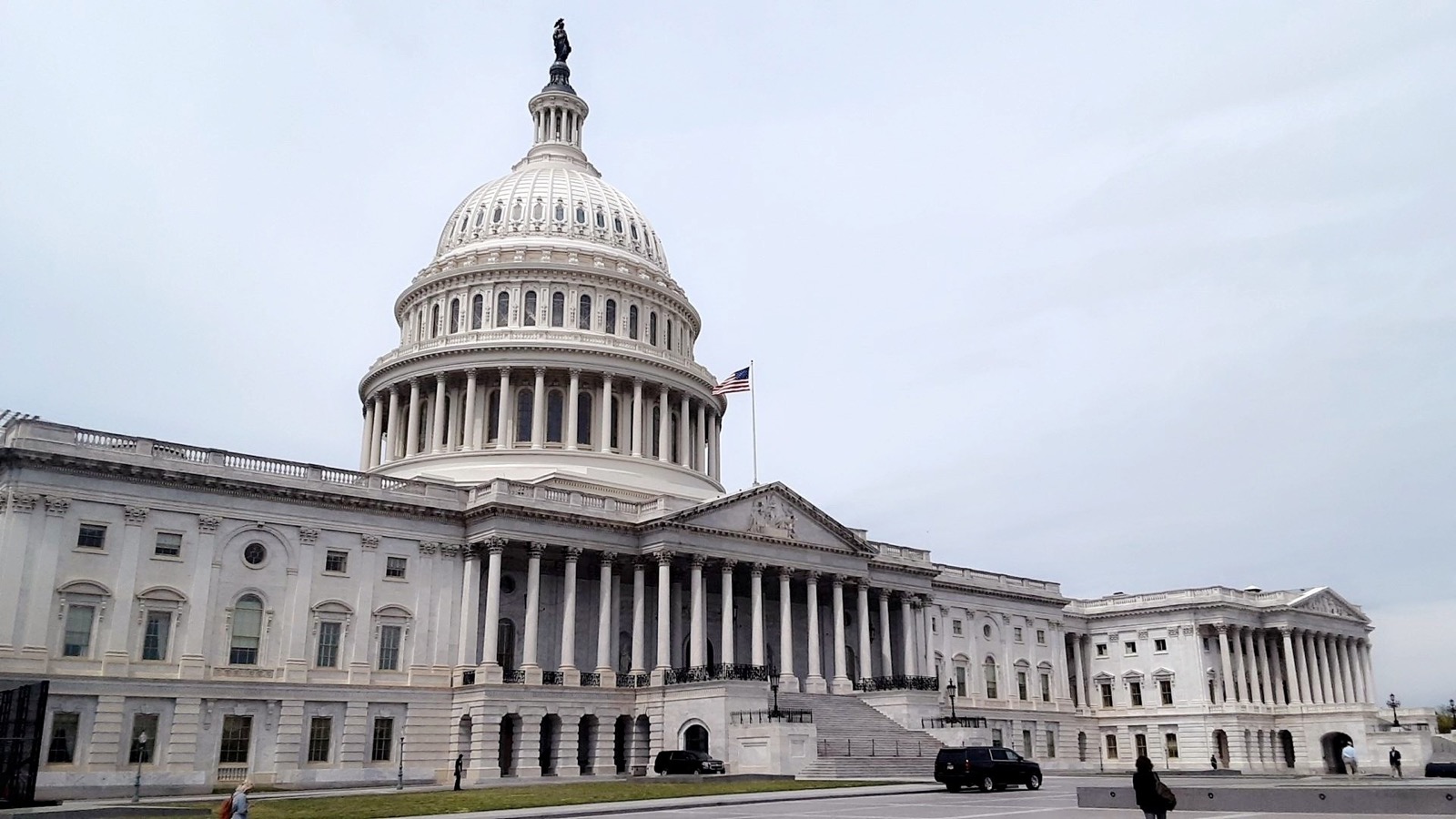
The hero photograph was used in the ICIJ news report published on 24 June 2026. Photograph by Jessica Rodriguez Rivas via Wikimedia Commons, licensed under CC BY SA 4.0. It was resized for display.